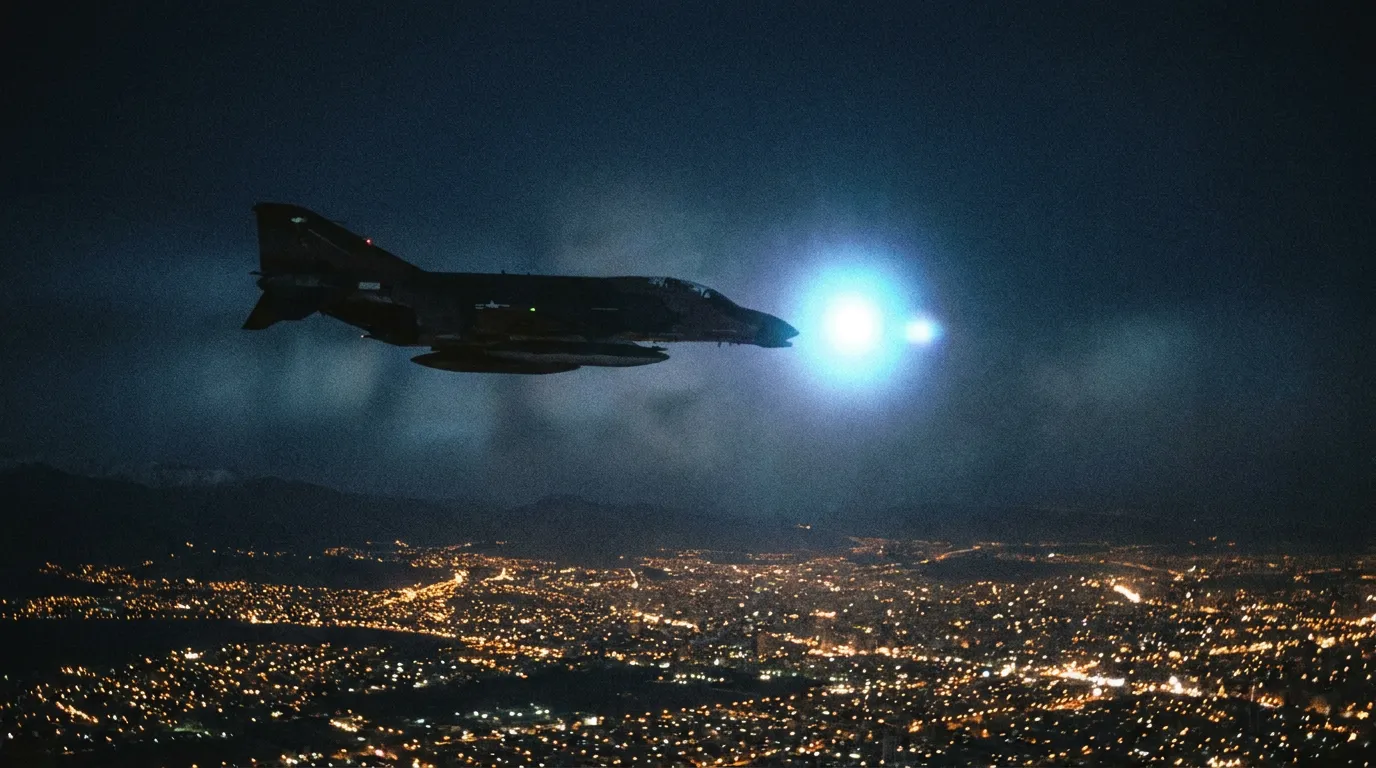
Most UFO reports ask you to trust one person’s eyes. The Tehran dogfight asks you to trust two fighter pilots, two ground-radar stations, an airborne intercept radar, the electrical systems of two separate F-4 Phantoms, and a four-page US Defense Intelligence Agency memo that went round the American government with a note effectively saying: this one is worth reading. That is a heavy stack of evidence for something that, forty-odd years on, still has no agreed explanation.
It is also — and this will be the pattern with any good case — a night so chaotic, so poorly instrumented in the modern sense, and so quickly wrapped in Cold War intrigue and later showmanship, that the harder you squeeze it the more it slips. Here is what the record says happened in the small hours of 19 September 1976, and how much of it survives contact with a sceptic.
Something over the capital
This was Iran under the Shah: an American ally, flush with oil money, flying some of the best hardware the United States would sell — including the F-4 Phantom II, a big, fast, twin-engined interceptor. In the early hours of that September morning, Mehrabad control tower in Tehran started taking calls from residents reporting a brilliant object in the night sky, variously described as flashing red, green, orange and white.
The duty officer’s first instinct was the correct one for an air-defence professional: it’s a star, go back to bed. Then he looked for himself, saw a light far too bright and far too active to be a star, and changed his mind. With citizens still calling and the object still there, the order went up the chain, and an F-4 was scrambled from Shahrokhi Air Base near Hamadan, west of the capital.
The first Phantom goes blind
The first jet ran toward the light and, by the pilot’s account, got close enough to matter before his aircraft turned against him. As he closed the distance, his instrumentation and his radio communications failed — the sort of total avionics and UHF drop-out that leaves a pilot suddenly deaf and half-blind in the dark at several hundred knots.
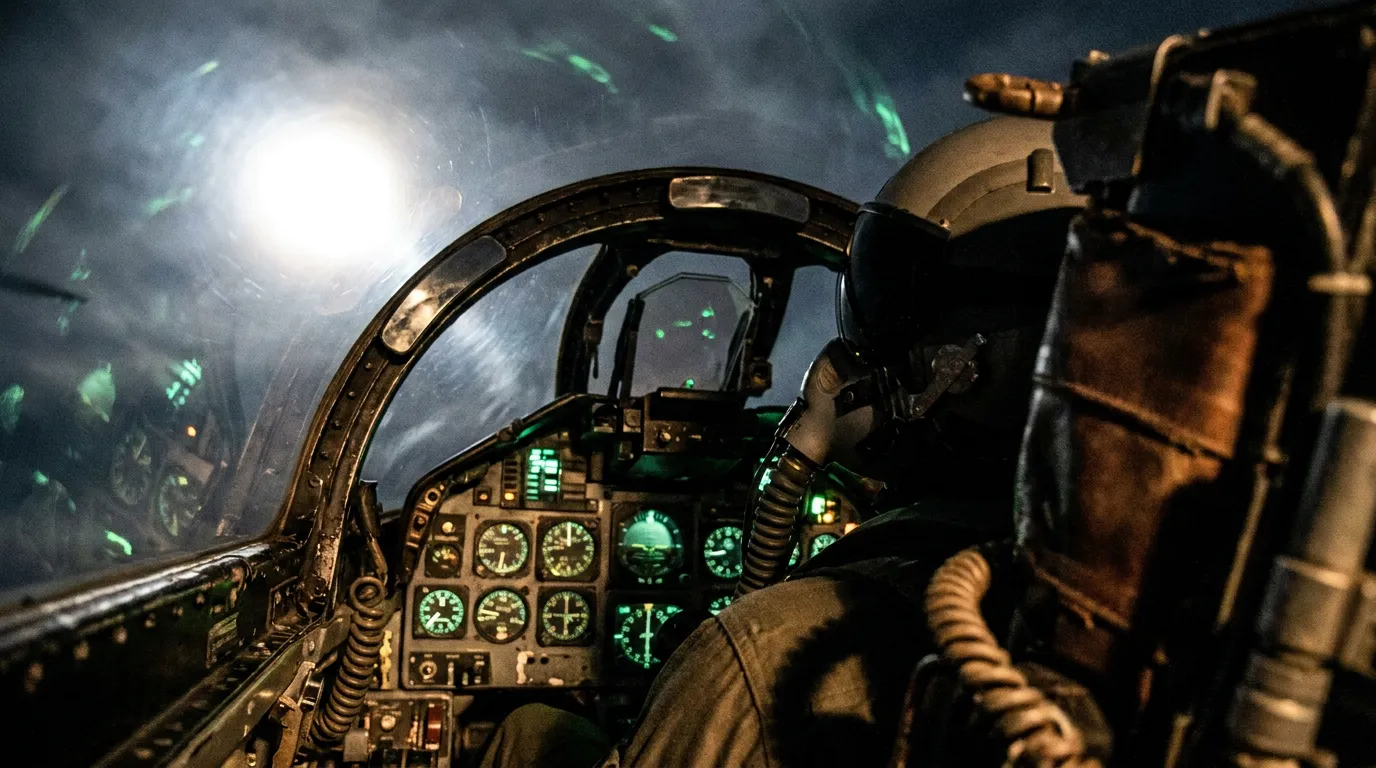
He did the only sensible thing: he broke off and turned away. And here is the detail that keeps the case alive — as he turned away from the object, his systems came back. Aircraft electronics do fail, and the F-4’s did so more than most. But a failure that switches off as you approach a thing and switches on as you retreat is exactly the sort of pattern that makes an investigator sit up, because coincidence has to work unusually hard to produce it twice.
The second intercept
A second F-4 was scrambled. Its pilot was Lieutenant Parviz Jafari — later a brigadier general, and decades on the most public witness the case would have. This time the jet held together long enough to do some proper air defence.
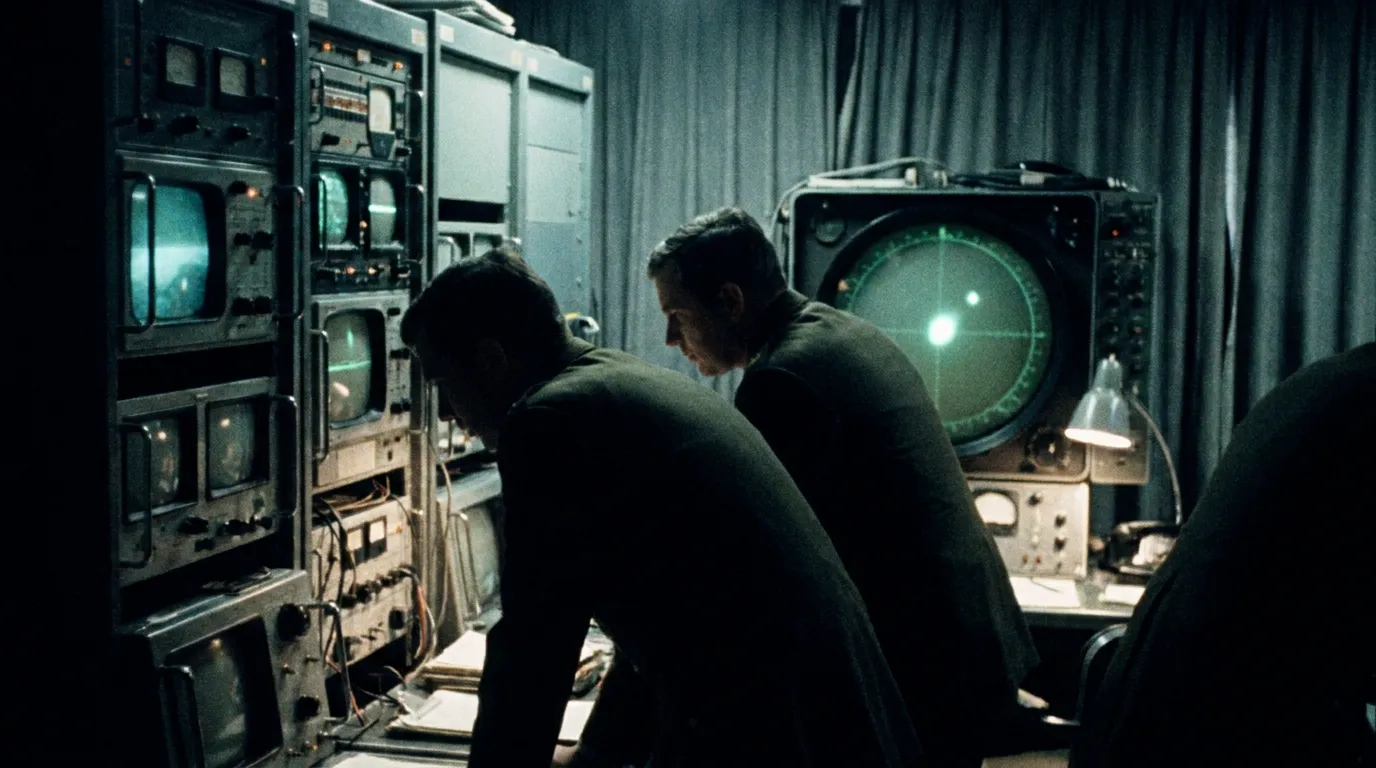
Jafari acquired the object on his airborne radar, and the return, he said, was substantial — comparable in size to that of a Boeing 707 tanker. That matters, because radar does not care about bright planets. A radar lock is a physical echo off something with a large cross-section, tracked by a trained crew, and corroborated from the ground. As he tried to close, the object simply kept its distance, matching his moves — the “dogfight” that gave the case its name, though at no point was it a fight in any conventional sense.
The missile that wouldn’t fire
Then it escalated. Jafari reported that a smaller, bright object detached from the main one and came toward his aircraft. Reading it as a threat, he moved to fire an AIM-9 Sidewinder — and, at that precise moment, his weapons control panel went dead and he again lost communications. Unable to shoot and unwilling to wait, he took hard evasive action; the small object, he said, either broke away or returned to the larger one.
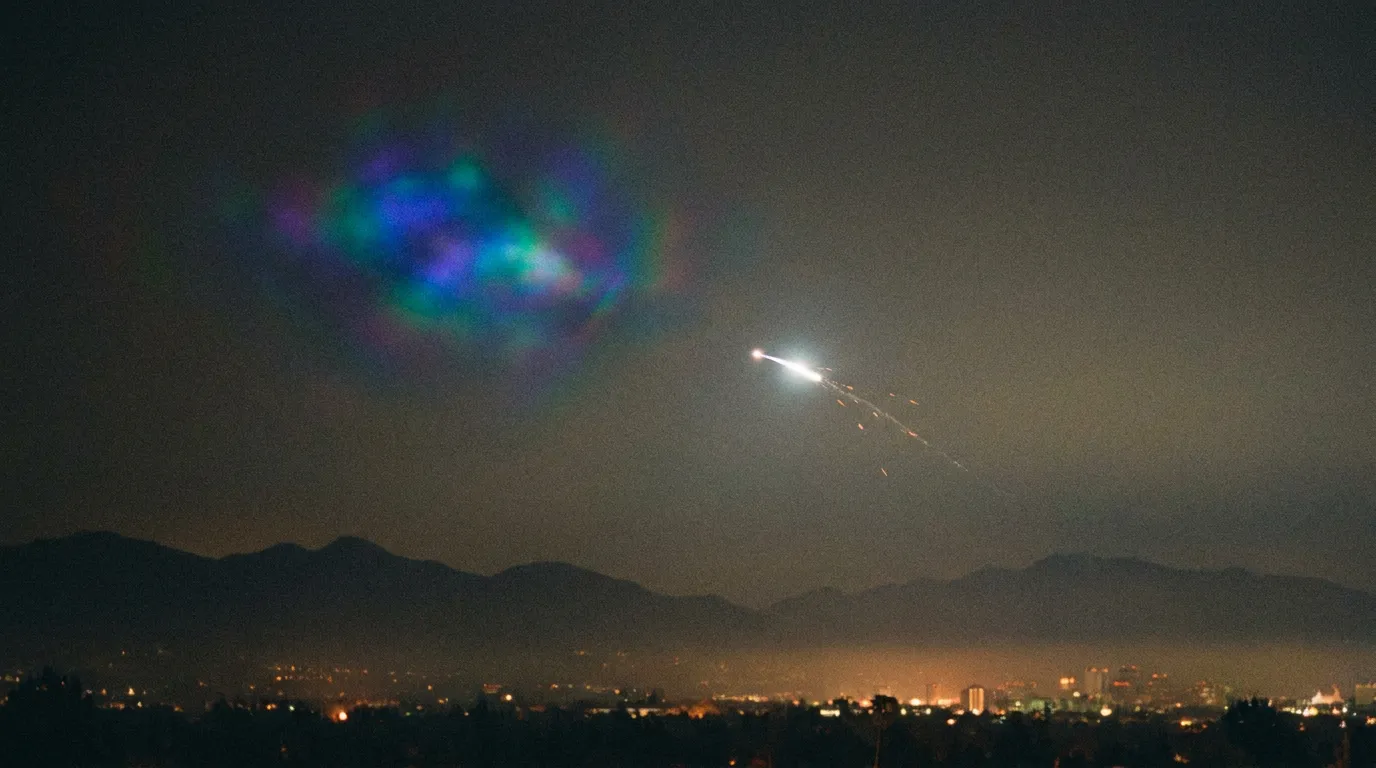
This is the single most cinematic beat in the story and, unsurprisingly, the one that has grown the most in the retelling over the decades. Strip the drama away and the core claim is still notable: a second aircraft, independently, lost a critical system at the worst possible moment while pointed at the object. Two jets, two failures, same direction.
An object that came down
The night was not quite finished. The crew then reported another bright object descending rapidly toward the ground and appearing to land, throwing off a strong light. Jafari’s crew marked the position as best they could. A daylight follow-up in the general area turned up little that was conclusive — the usual anticlimax of the morning after, when the forensic trail of a night-time light in open country goes cold. A civilian airliner passing through the region that night was also said to have experienced communications trouble, adding one more independent data point to a case already unusually rich in them.
The memo that made Washington pay attention
What lifts Tehran above a good war story is paperwork. A US Defense Intelligence Agency report on the incident circulated within the American government, reaching senior levels — the White House, the Secretary of State, the Joint Chiefs, the NSA and the CIA among the distribution. Its evaluation was strikingly un-dismissive. It noted that the case involved credible, trained witnesses; multiple independent sensors, both visual and radar, from the air and the ground; and reported physical effects on the aircraft. In the careful language of intelligence assessment, it treated the report as a high-quality, unexplained event rather than a curiosity to be filed and forgotten.
That is the crux of Tehran’s reputation. Governments generate mountains of paper about nonsense, but they rarely circulate a memo to the top of the tree that says, in effect, “several of our best sensors and people saw something we cannot explain.” The document does not prove a craft. It proves that serious people, at the time, took the event seriously.
The sceptic’s night sky
Now the cold water, and there is a respectable amount of it. The veteran UFO sceptics Philip Klass and James Oberg both dug into Tehran, and their case is not frivolous.
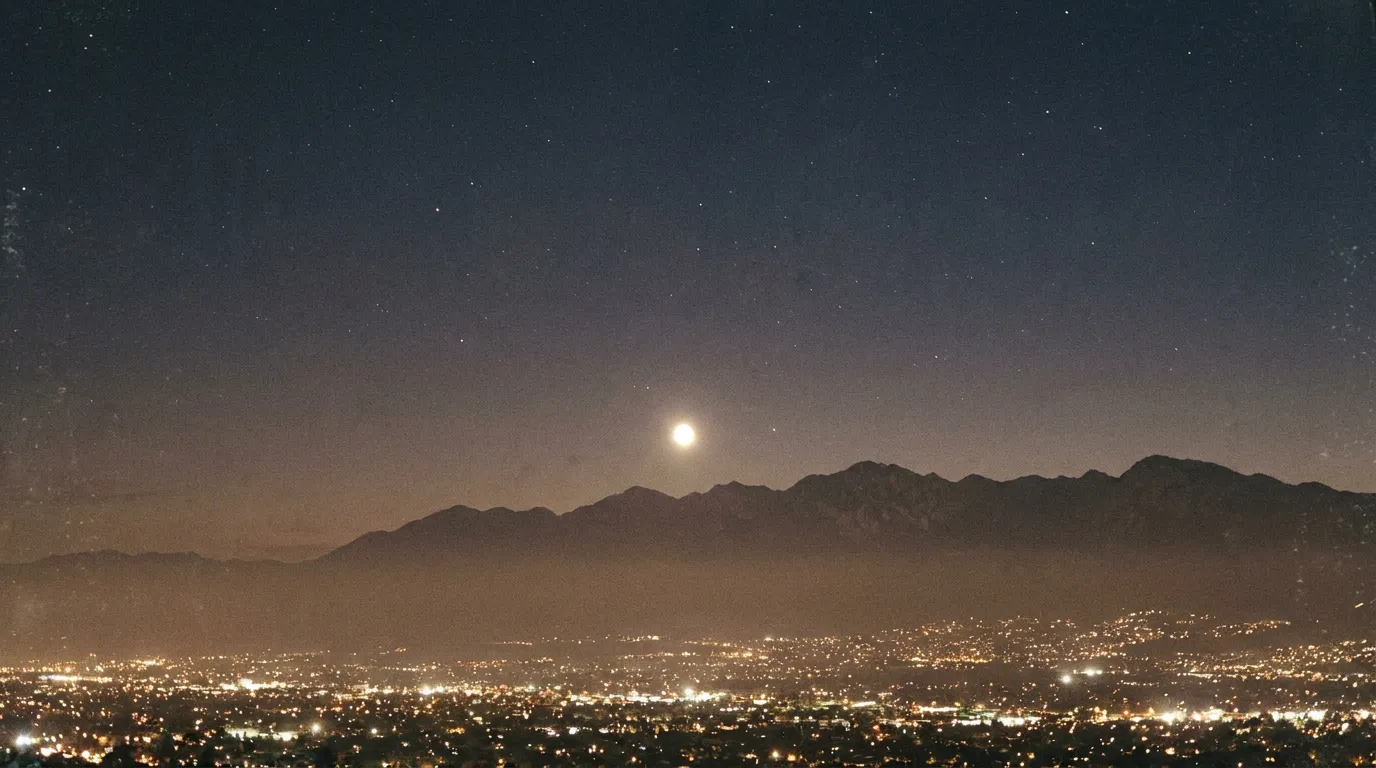
The starting object, they argued, may well have been the planet Jupiter, which was unusually brilliant and well-placed in the sky at the time — bright enough to draw calls to a control tower and to look, to a keyed-up pilot, like it was pacing him. Meteors or a bright fireball could account for other lights on a busy night. And the aircraft failures, they noted, sit against a real backdrop: the Imperial Iranian Air Force’s F-4s were not always immaculately maintained, and electrical and radio faults were a known reliability headache. Two malfunctions in one night, on two hard-flown jets, is less astronomically unlikely than it first sounds — and a pilot chasing a light he already believes is intelligent will read an ordinary fault as a hostile act.
None of this is a knockout. Jupiter does not produce a radar echo the size of a tanker, and “the jets happened to break in the same way while pointed the same way” is a coincidence you have to swallow twice. But the sceptics are right that a chaotic night, adrenaline, aging avionics and a very bright planet can, between them, manufacture a great deal of a UFO case without any UFO at all.
What actually holds up
Set the theatre aside — the missile, the “dogfight,” the decades of retelling — and weigh only the load-bearing parts. On the strong side: two independent aircraft losing critical systems as they closed on the object; a radar lock from the air, backed by ground radar; trained military witnesses; and a contemporaneous intelligence assessment that rated the whole thing highly. On the weak side: no photographs, physical traces that never firmed up, a genuinely plausible celestial candidate for the trigger, and hardware with a real history of glitches.
That combination is why Tehran sits in the top rank of military UFO cases without ever quite closing the deal. It has something most cases lack — corroboration across people, sensors and even nations — and still lacks the one thing that would settle it: a single piece of hard, inspectable data that a bright planet and a flaky electrical bus cannot explain away.
The UAP Times take
Tehran earns a Credible rating — four out of five on our scale — well-witnessed, multiply-sourced and genuinely puzzling — held back from our top mark only by the absence of hard sensor data we can put under a lens today, and by a sceptical explanation for the opening act that refuses to fully go away.
What you make of it comes down to a single question: how many coincidences are you willing to buy? One bright planet, fine. One jet with a bad radio, fine. But two aircraft, two failures, both while bearing down on the same light, plus air and ground radar and a memo that impressed the Pentagon — at some point the pile of ordinary explanations starts to feel heavier than the extraordinary one it is meant to replace. Tehran does not prove anything landed over the capital that night. It does prove that, for a few tense minutes in 1976, an entire air-defence system pointed everything it had at something, and came home unable to say what it was.
Further reading: for the modern, better-sensored heir to this kind of encounter, see The Tic Tac at 25; for a case built on official documents rather than radar, Two Nights in Rendlesham Forest. For the American case this one gets measured against — a single officer, a landed object, and marks in the dirt still warm when back-up arrived — see Socorro, 1964. The Tehran object was a classic bright orb — and it’s logged on the sightings map.
Source: US Defense Intelligence Agency report (Sept 1976); testimony of Gen. Parviz Jafari; National Press Club conference (2007)
Follow the file
Every new dispatch from the UAP desk, in your inbox. Sourced, sceptical, and no more than one email a week.